
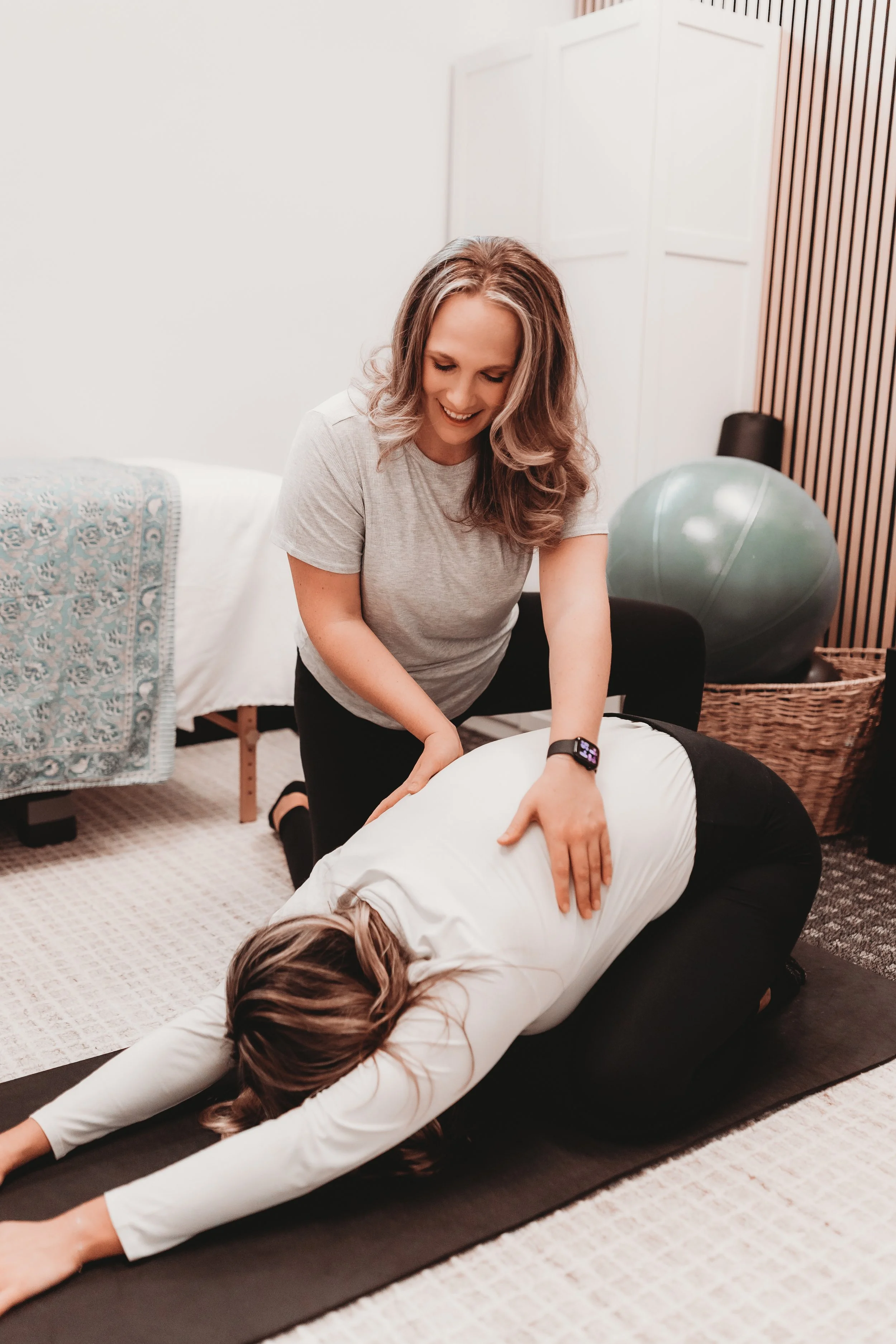
Pelvic Floor Therapy near Tampa
Therapy for women dealing with bladder and bowel incontinence, pelvic pain, prolapse, postpartum recovery, and sexual health
The pelvic floor is a group of muscles, nerves, and connective tissue at the base of your pelvis. It controls your bladder and bowel, supports your core and organs, and plays a role in sexual function, pregnancy, and postpartum recovery. When something is off, your symptoms can show up anywhere from lower back pain and urinary leaking to painful sex and constipation.
Pelvic floor therapy addresses those symptoms at the root. We offer hands-on, movement-based therapeutic care that looks at how your whole body is working together, not just the area where you feel pain or discomfort. Women of all ages come to us for help, not just those who have recently given birth.
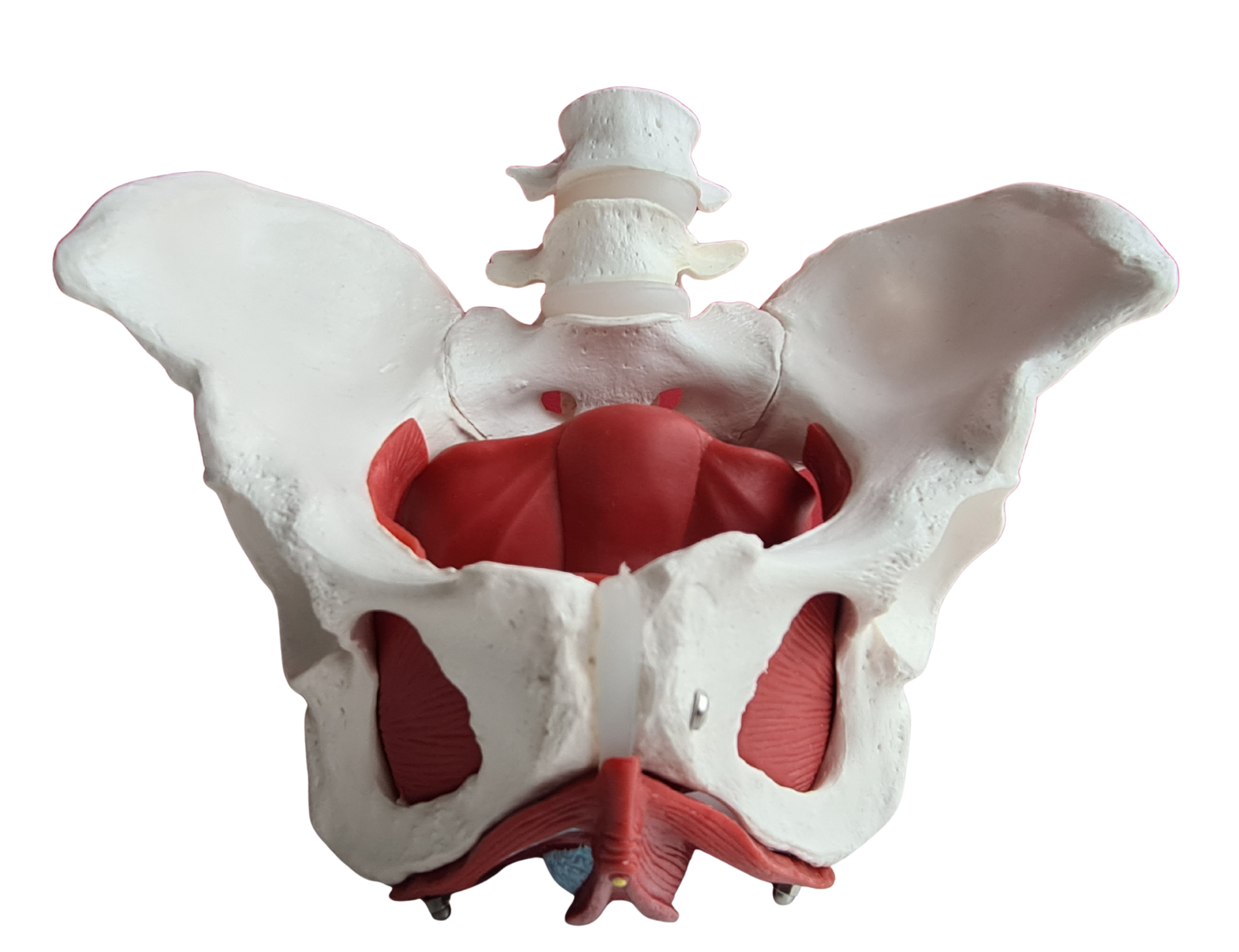
What is Women’s Pelvic Health?
Women in all stages of life can experience issues with their pelvic floor.
These issues can have whole-body effects if not targeted and cared for through a personalized treatment plan.
Common Conditions We Treat:
-
Vaginal or cesarean recovery
Birth trauma recovery
Perineal tears and perineal pain
Diastasis recti
Return to intercourse
Return to exercise
Urinary or fecal urgency and frequency
Pelvic organ prolapse
-
Leaking urine
Frequent urination and urgency
Bladder prolapse
Chronic urinary tract infections
Overactive bladder
Interstitial cystitis and painful bladder syndrome
Incomplete bladder emptying
-
Constipation
Rectal prolapse
Incomplete emptying
IBS symptoms
Unwanted loss of gas
Fecal leakage
Rectal pain
Hemorrhoids and anal fissures
-
Chronic pelvic pain
Vulvodynia and vestibulodynia
Pudendal nerve pain
Tailbone pain
Sciatica
Pain with gynecological exams or tampon insertion
Pain with sitting
-
Painful sex
Vaginismus
Persistent genital arousal disorder
-
Endometriosis and painful or irregular periods
PCOS
Unexplained infertility
Uterine fibroids
Pre and post surgical support for gynecological procedures

Pregnancy and Postpartum Support Options
Pregnancy and postpartum care are a big part of what we do. If you are pregnant or recently gave birth, we have dedicated support for you at every stage.
Getting Started is Simple
Fill out our contact form and share a little about what you are experiencing.

Step 1:
Reach out to us
A team member will connect with you and get your first appointment scheduled.

Step 2:
We will contact you within
24-48 business hours
Your first visit includes a comprehensive evaluation and a recommended treatment plan.

Step 3:
Get started with an evaluation
Common Questions
-
Your first visit starts with a conversation about your history and goals, followed by a physical assessment. If you consent, we complete a pelvic floor muscle evaluation to understand your strength and coordination. You will leave with a clear plan and specific things to work on before your next visit.
-
Pelvic floor therapy is a specialized form of occupational therapy that assesses and treats the muscles, connective tissue, and movement patterns of the pelvis and surrounding areas. A session includes a conversation about your history and symptoms, an assessment of your posture, core strength, and movement mechanics, and an internal pelvic floor muscle assessment if you consent. You leave with a clear understanding of what is going on and a specific plan to address it.
-
No. Pelvic floor therapy is for women at every age and stage of life. We see women for chronic pelvic pain, bladder and bowel dysfunction, sexual health concerns, menstrual disorders, perimenopause symptoms, and more. Pregnancy and postpartum are common entry points but they are far from the only ones.
-
No. Urinary leaking after birth is common but it has causes and those causes can be treated. Pelvic floor therapy addresses the specific muscle function, coordination, and movement patterns behind leaking. Most clients see significant improvement with consistent treatment.
-
Your first postpartum visit starts with a full assessment of where your body is after birth. That includes your core, your pelvic floor, your posture, and any specific concerns you have whether that is diastasis recti, perineal pain, prolapse symptoms, or returning to exercise. You leave with a clear plan and specific things to work on. Recovery looks different for every woman and we build around your goals, not a generic timeline.
-
Yes. Cesarean birth does not bypass the pelvic floor. Pregnancy itself places significant load on the pelvic floor regardless of how you deliver. Cesarean recovery also involves scar tissue management, core rehabilitation, and addressing the movement compensations that develop after abdominal surgery. All of this falls within the scope of pelvic floor therapy.
-
Not necessarily. Pelvic organ prolapse is commonly managed conservatively with pelvic floor therapy before surgery is considered. Therapy addresses the muscle function, pressure management, and movement patterns that contribute to prolapse symptoms. Many women experience significant symptom relief without surgical intervention. We can assess your specific situation and give you a clear picture of your options.
-
Yes. Painful intercourse after birth is one of the most common reasons women come to us and one of the most undertreated. It is most often related to pelvic floor muscle tension, scar tissue, hormonal changes, or nerve sensitivity. All of these are within the scope of what we assess and treat. You do not have to avoid the conversation or accept it as part of postpartum life.
-
That depends on what you are dealing with, how long it has been going on, and how your body responds to treatment. Most clients have a clearer picture after their first evaluation. What we can tell you is that you will leave your first visit with a specific plan and a realistic sense of what your care will look like, including how many visits to expect and what progress should look like along the way.

Personalized care from visit one.
Every treatment plan is built around your specific history, goals, and lifestyle. Our therapists hold doctoral degrees with advanced training in pelvic floor dysfunction.