
Pediatric Early Intervention near Tampa
Occupational therapy, speech therapy, and infant bodywork for babies and young children.
Why Early Intervention Matters
The brain is most adaptable in the first years of life. Early therapy does more than just help with what is hard right now, it shapes how your child develops long term. If something feels difficult for your baby, that is enough reason to reach out.
Milestones build on each other. When one is delayed, others often follow. Early support keeps that from happening.
Feeding without struggle, rolling, crawling, babbling, walking, first words. These are the moments that matter. When those windows pass without those skills showing up, the sooner you act, the better the outcome.
The Blue Door provides early intervention services for infants and young toddlers with missed milestones and developmental delays. If you have noticed something feels harder than it should for your baby, or your pediatrician has flagged a concern, our therapists can evaluate and treat across all of the following areas:
-
Torticollis and head turn preference
Head shape concerns and flat spots
Gross motor delays including rolling, crawling, and walking
Starting solids and oral motor readiness
-
Pre-linguistic skills including pointing, gesturing, and engaging with others
First words and vocabulary development
Play skills and social communication
-
Breast and bottle feeding difficulties
Oral motor dysfunction
Tongue and lip ties
GI discomfort affecting feeding
Transitioning to solid foods
-
Body tension and asymmetry
Torticollis and restricted movement
Reflux and colic
Pre and post oral tie release support
-
Constipation and encopresis
Bedwetting
Daytime accidents
Food reactivity

Baby Bodywork
Gentle manual therapy for body tension, torticollis, reflux, colic, and oral tie support.
Baby bodywork uses massage, gentle stretching, and hands-on techniques to address tension and tightness in infants. It supports better feeding, sleeping, and movement. It is safe, gentle, and appropriate from the earliest weeks of life.
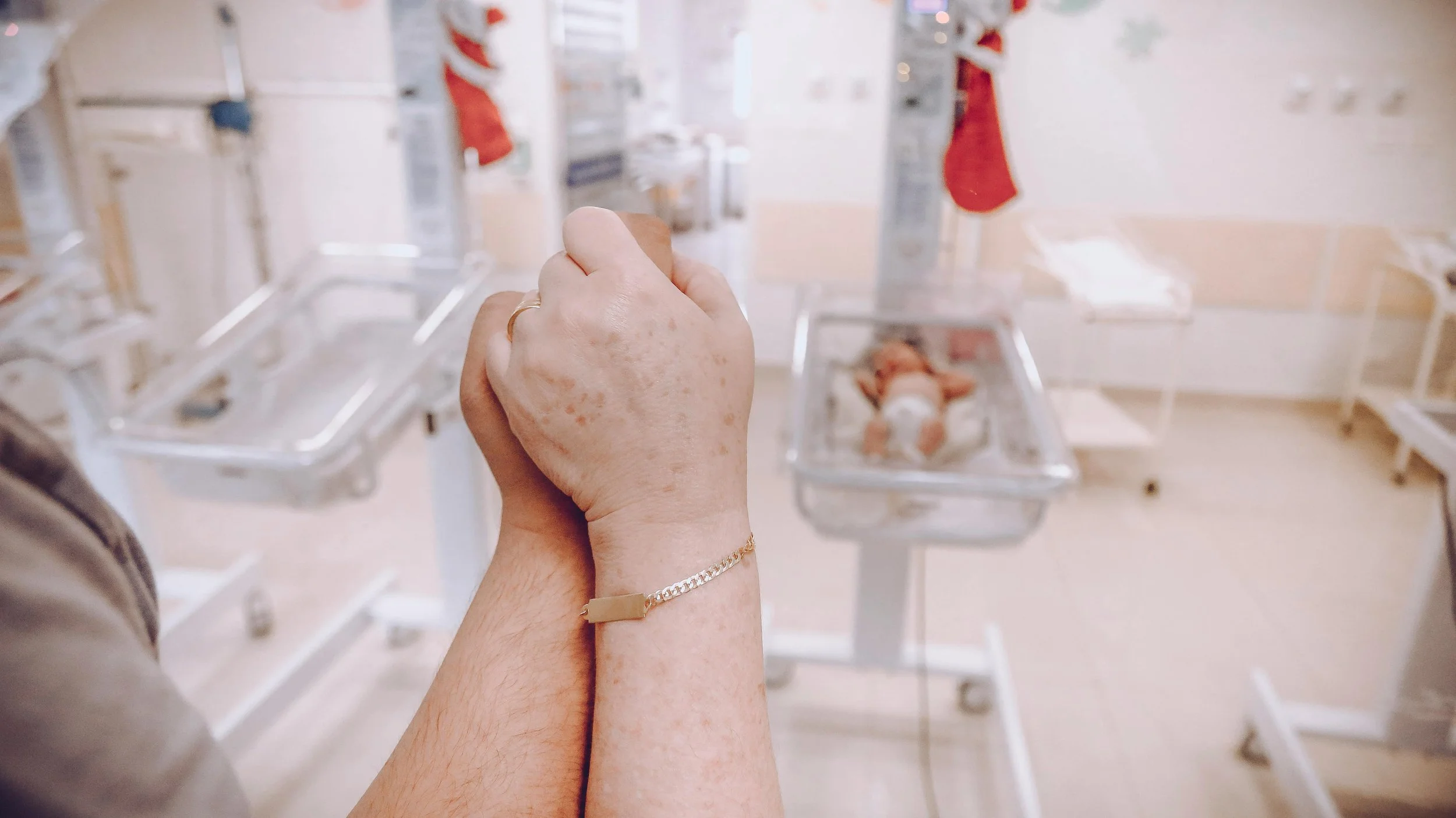




NICU Graduate Program
Specialized support for families coming home from the neonatal intensive care unit.
The transition from NICU to home is one of the hardest parts of the NICU journey.
Our NICU Graduate Program provides in-home and in-clinic support from licensed SLPs, OTs, and IBCLCs. It is a flexible framework built around what your baby specifically needs as they grow.
Program Includes:
Feeding and swallowing therapy
Breastfeeding and latch support
Bottle feeding strategies
Suck-swallow-breathe coordination
Oral motor skills
Pre and post oral tie release therapy
Tummy time and milestone support
Purposeful play
Infant massage
Milk supply and pumping support
Weight gain monitoring
Clogged ducts and mastitis support
Nipple pain support

The earlier therapy starts, the better the outcomes.
Common Questions
-
If your baby is missing milestones, struggling to feed, not rolling/crawling/walking/ or babbling/talking when expected, those are all reasons to reach out. You do not need a diagnosis to come in. A thorough evaluation will tell you where your baby is and what, if anything, needs support.
-
Occupational therapy for infants focuses on movement, body function, feeding mechanics, and how a baby interacts with their physical environment. Speech therapy focuses on communication development, feeding and swallowing, and the building blocks that come before words like eye contact, gesturing, and play. Many babies benefit from both at the same time, and our therapists work together.
-
The infant brain is most adaptable in the first years of life. Research consistently shows that earlier intervention produces better outcomes than a delayed start. If something concerns you, a developmental evaluation is always worth having. Waiting does not make delays easier to address.
-
We work with infants from birth through 36 months. There is no minimum age. Many of the babies we see are just days or weeks old, particularly for feeding support and bodywork.
-
Baby bodywork is gentle manual therapy that uses massage, soft stretching, and hands-on techniques to address body tension, tightness, and nervous system imbalances in infants. It is safe from the earliest weeks of life and is particularly effective for babies with torticollis, reflux, colic, and oral ties before or after a release.
-
Therapy is a critical part of tongue tie treatment whether or not a release is recommended. Before a release, therapy prepares the oral muscles and improves outcomes. After a release, therapy supports healing and helps the baby build the strength and coordination needed for efficient feeding. A release without therapy often produces incomplete results.
-
The NICU Graduate Program is designed specifically for families in your situation. It provides in-home or in-clinic support from licensed OTs, SLPs, and IBCLCs built around your baby's specific needs as they transition home and continue to develop. Reach out and we will walk you through what makes sense for your baby.
-
No referral or diagnosis is required to book an evaluation. If your pediatrician has provided documentation, you can fax it to (727) 953-3789 or email it to contact@thebluedoorwellness.com, but it is not a requirement to get started.

Getting Started is Simple
Fill out our contact form and share a little about what you are experiencing.

Step 1:
Reach out to us
A team member will connect with you and get your first appointment scheduled.

Step 2:
We will contact you within
24-48 business hours
Your first visit includes a comprehensive evaluation and a recommended treatment plan.